“What is commuting in Malta really like?”
If you’re planning to move here long-term or you’re already browsing rentals, this guide walks you through everything you need to know about commuting in Malta: buses, Tallinja cards, travel times, cars, traffic, and the everyday reality of getting around the island.
1. Public Transport in Malta: How Tallinja Works
Malta has one main public transport system: Malta Public Transport, widely known as Tallinja.
Tallinja Card and general rules
If you’re staying in Malta for more than a few weeks, you definitely need a Tallinja Card. The Tallinja Card is a tap-and-go system used on buses in Malta. Once you buy a personalised card, it’s registered under your name and photo.
For residents, almost all daily and night routes are completely free. You simply tap your card at the bus entrance, and the system registers your ride — no money is deducted unless you’re taking a special paid route.
Here’s how it actually works:
- If you hold a personalised Tallinja Card (with your name and photo), you can travel for free on all Day Routes, Night Routes and select Special Services across Malta and Gozo.
- For services not included in the free-scheme (such as the “TD – Tallinja Direct” express routes and some On-Demand / special services), you’ll need credit on the card or pay directly.
- Single cash/contactless fares (for passengers without the card) are:
– Day Routes: €2.00 in winter, €2.50 in summer
– Night Routes / Special Services: €3.00 - A card with a negative balance becomes inactive until topped up.
Tallinja Card prices
These are the official prices for personalised cards:
- Adult Card: €25
- Student Card: €25
- (other categories exist, but for most long-term residents these two are relevant)
Sometimes there are special promotions where the student registration fee is reduced or even completely €0. Tallinja usually announces these short promotional periods at the beginning of the academic year.
If you’re a student, you can get the Student Tallinja Card, but you must provide proof that you’re studying in Malta — for example:
- a valid student ID,
- an acceptance letter,
- or a confirmation/enrolment document from your university or college.
- If you’re on a student exchange, make sure you provide any document officially stamped or issued by your Maltese university, with a valid date range — otherwise Tallinja may consider it insufficient proof.
You apply online, upload your photo, and the card usually arrives within 1–2 weeks.
If you live in Malta long-term, public transport is extremely affordable. And the Tallinja Card works for life — even if you come back to Malta after a few years, it still activates normally.
Tallinja App
This app is essential for daily life. It gives you real-time bus tracking, route suggestions and your balance.
As buses in Malta usually don’t come on time, this app is truly essential. There is no point relying on Google Maps and waiting for a bus that never arrives, because the timetable there is too “ideal.” In the Tallinja app, you can see where your bus actually is at any moment. Sometimes the app freezes or lags — it’s not perfect and you just have to get used to it. Moreover, if possible -it is better to plan your trips on the fly, and not rely on timetables at all.
2. The Real-Life Reality of Buses in Malta
Crowding
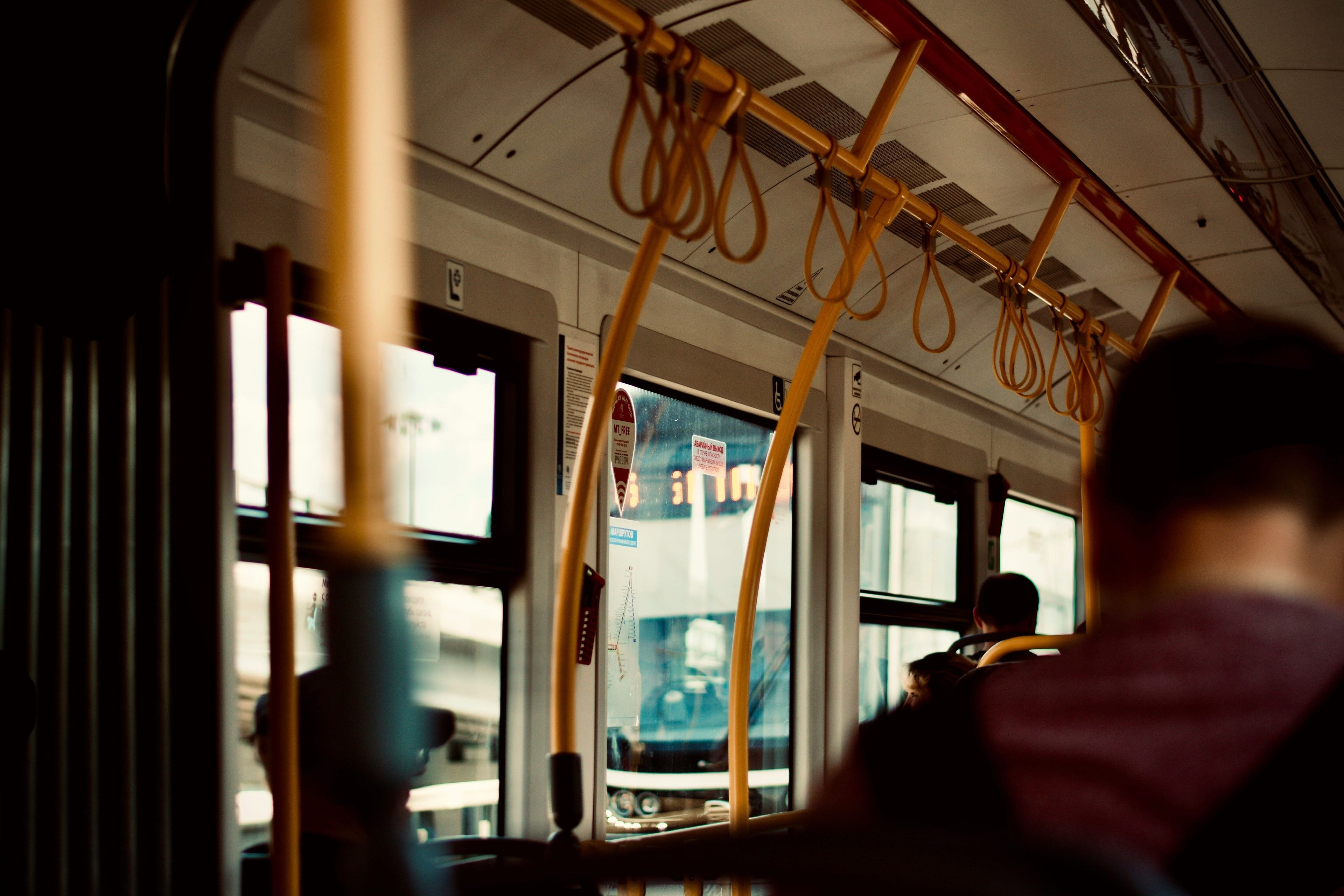
During rush hours, buses can get packed — so full that the driver doesn’t stop. Sometimes bus driver waits for people to leave the bus before letting you in.
This is completely normal on routes to:
- Sliema,
- Valletta,
- St. Julian’s,
- Gżira,
- Msida,
basically any bus going toward central business areas in the morning or after 5 PM.
Delays
One thing you’ll hear from anyone who visited Malta is that buses are terribly late, sometimes don’t show up, or come two at once.
To be completely honest: yes, buses can arrive on time — but it’s not something you should rely on, especially if you have somewhere important to be. Traffic in the morning and again during rush hour can be very long, so expect delays.
How locals actually commute
Most residents follow one rule: Just take anything going in the right general direction — then switch.
Unfortunately, it’s rarely a direct trip. Many buses end their route in the major cities, so if you want to reach smaller towns, you need to be patient and flexible. If commute time matters to you, pick a home close to a major bus line, if possible.
3. Driving a Car in Malta: Pros, Cons, and Costs
Many expats eventually switch to a car. It’s very convenient, especially because as mentioned earlier, you rarely get a direct bus route to smaller cities. If you live or work there, getting a car saves you from waking up at horrible hours just to commute.
Locals often say “a car in Malta is freedom.” It’s true everywhere, of course — but here, considering the imperfect public transport and the fact that you want to use the island to 100% (beaches, cliffs, quieter towns), it makes complete sense.
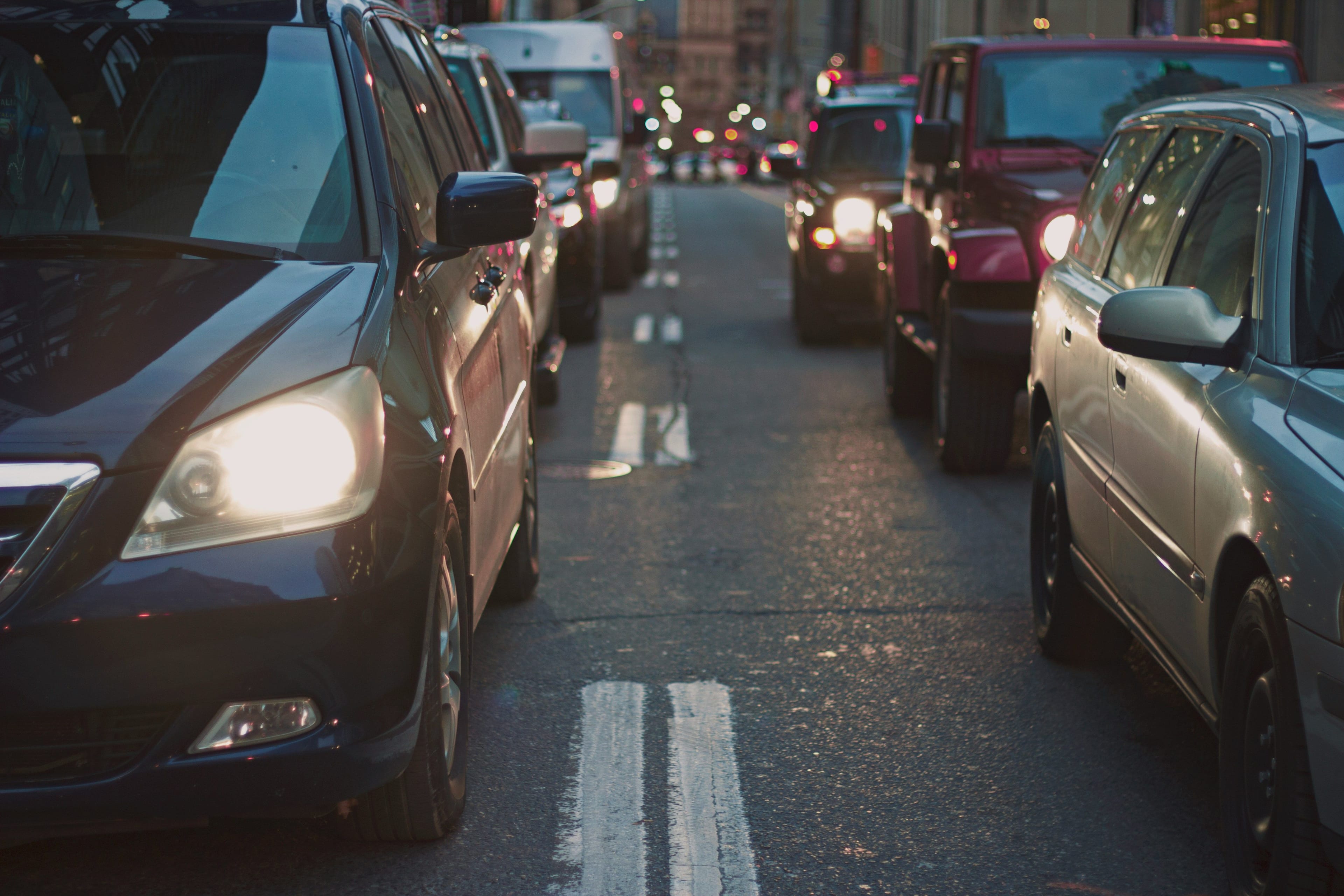
However, owning a car doesn’t save you from traffic. The streets are tiny, there are a lot of one-way roads, and you drive on the left. And let’s be honest: not many people here are great drivers. People force priority and usually don’t follow the rules. When you take a Bolt or Uber, drivers usually complain that Maltese drivers just can’t drive. You have to be carefull especially when it rains. There are lots of old cars, worn-out tires, and accidents everywhere.
4. E-Scooters, Bikes & Walking
Malta used to be full of shared scooters — most are gone now due to regulations, so they’re not a reliable commuting option anymore.
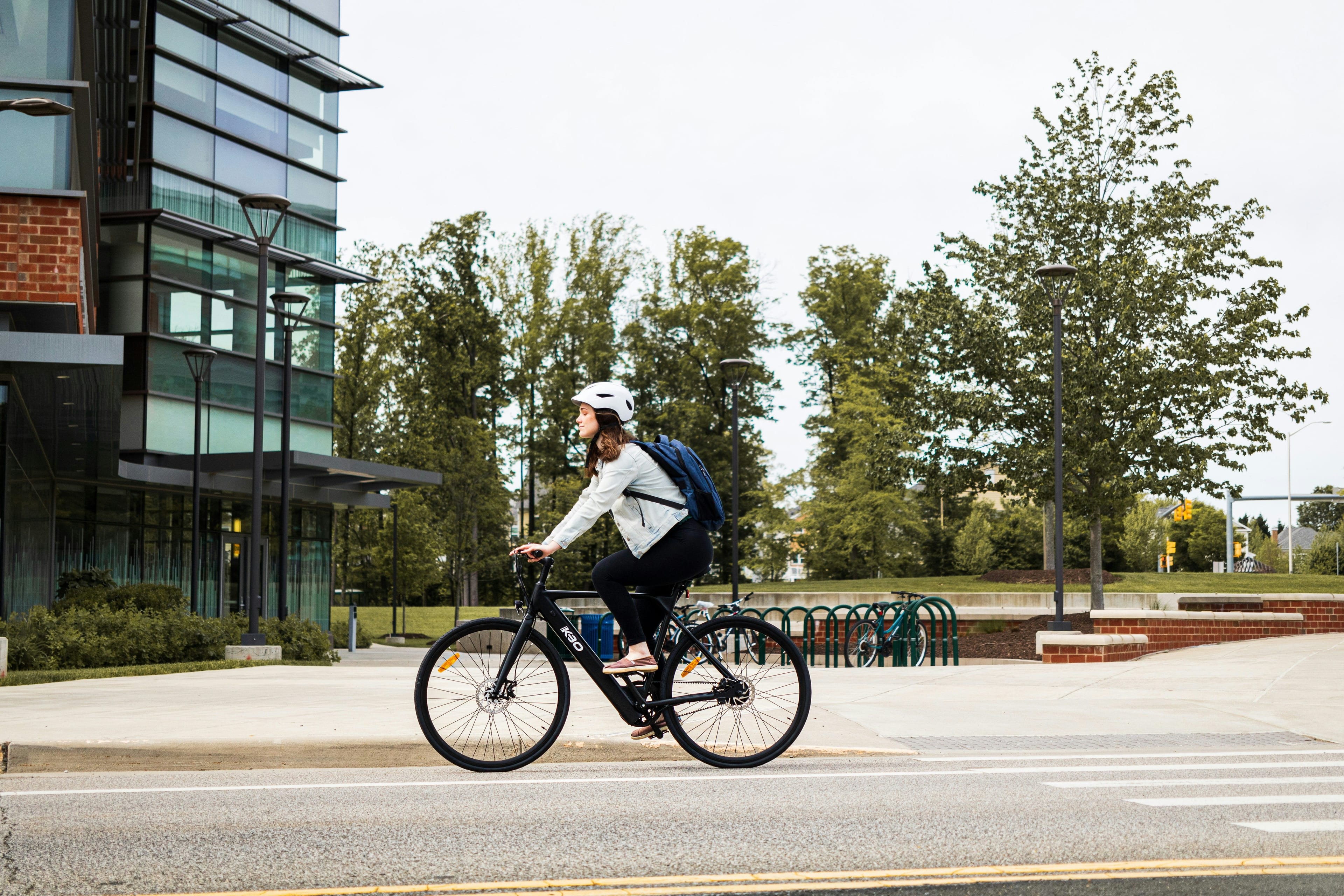
Cycling technically works, but:
- you rarely see a real bike lane,
- roads are narrow,
- traffic can be chaotic.
Walking is realistic only in certain zones between the bigger cities. In most residential areas, sidewalks are tiny or missing completely.
Be careful using Google Maps — sometimes it literally guides you straight onto a highway. Location data in Malta can be weird at times, and sometimes you don’t even know if walking along a certain street is possible because there’s no pavement.
5. Realistic Travel Times
Based on daily life of residents:
- Gżira → Valletta: 15–25 min (bus), 8–12 min (car)
- Sliema → St. Julian’s: 10–20 min (bus), 5–10 min (car)
- Sliema → Valletta: 15–30 min (bus), 10–15 min (car)
- Msida → Mosta: 25–40 min (bus), 12–18 min (car)
- St. Paul’s Bay → Sliema: 35–60 min (bus), 20–30 min (car)
- Marsaskala → Valletta: 30–50 min (bus), 15–25 min (car)
6. Best Areas to Live in Malta for Easy Commuting
If you rely on buses
Choose areas with frequent routes:
- Msida – near the university and hospital, strong bus network; many buses start or end their routes here
- Sliema – busiest area with amazing connections; many buses run along the whole coast
- Valletta – the main hub; from here you can get anywhere on the island
- St. Julian’s / Gżira – lots of routes, especially toward central business areas
If you have a car
You can live further out and save on rent. These areas offer easier parking and more space:
- Mosta
- Naxxar
- Birkirkara
- Qormi
- Żebbuġ
8. Final Thoughts
Commuting in Malta is a mix of charm and chaos.
- Buses work, but expect crowds and delays.
- Cars give freedom, but the island’s layout is challenging, and drivers’ skills here are… questionable at best.
- Walking/cycling are possible only in select areas.
Choose a location that fits your daily route. It will make your life on the island easier, calmer, and way more enjoyable.